
ISSCR News
Researchers Identify 166 Human Pluripotent Stem Cell Lines Available for Use in Clinical Applications
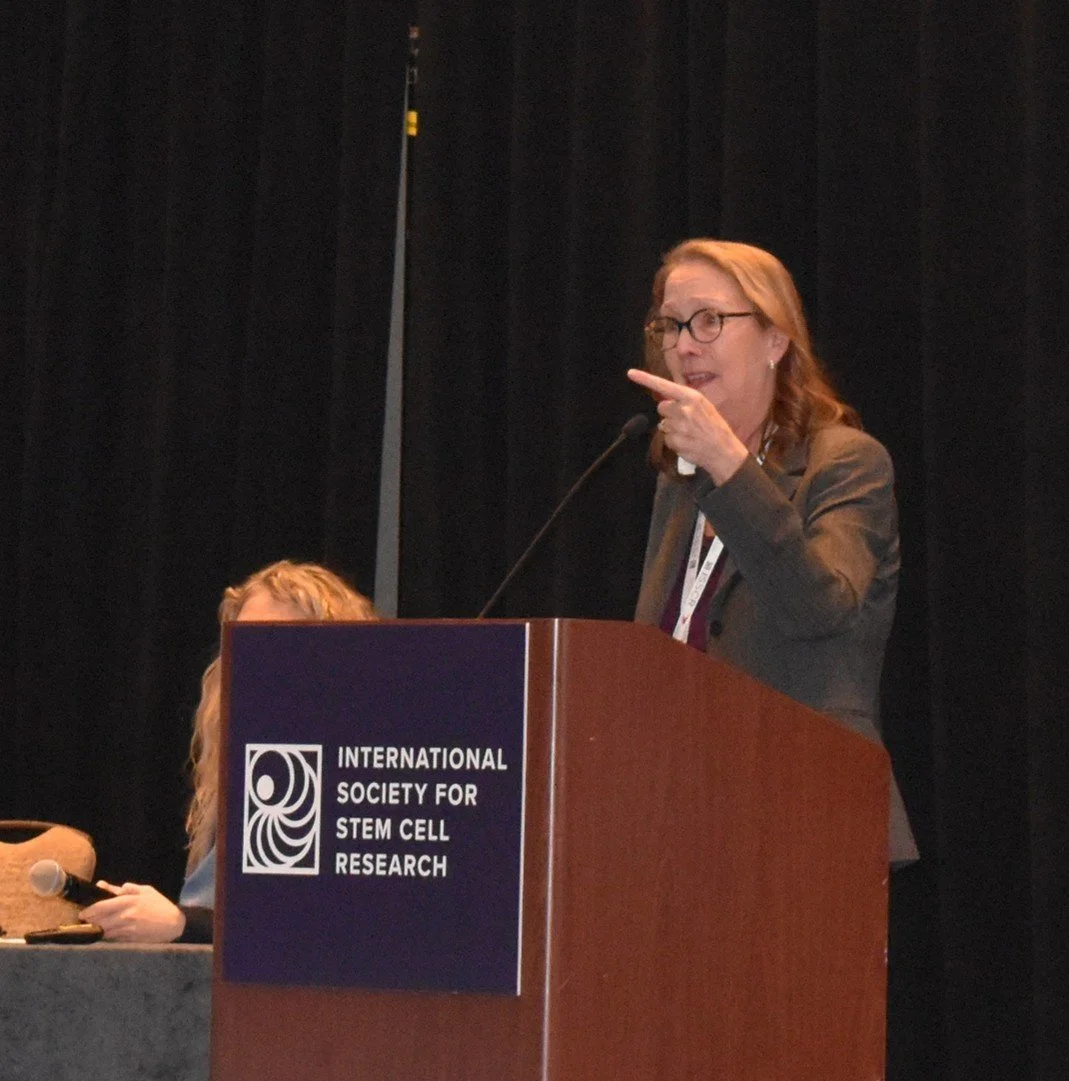
To date, more than 100 clinical trials with human pluripotent stem cell (hPSC)-derived products have been initiated worldwide and an increasing number of potential hPSC-derived clinical products have entered early developmental pipelines. For off-the-shelf (allogeneic) products, the identification and selection of the right hPSC line early on during this process is of utmost importance as failure to do so may delay or completely stall product development. While developers acknowledge the importance of this issue, a comprehensive, accessible listing of globally available hPSC lines to inform cell line selection for clinical use has been elusive until now.
Insights Into Dry Eyes Gained from Stem cell-derived Tear Glands
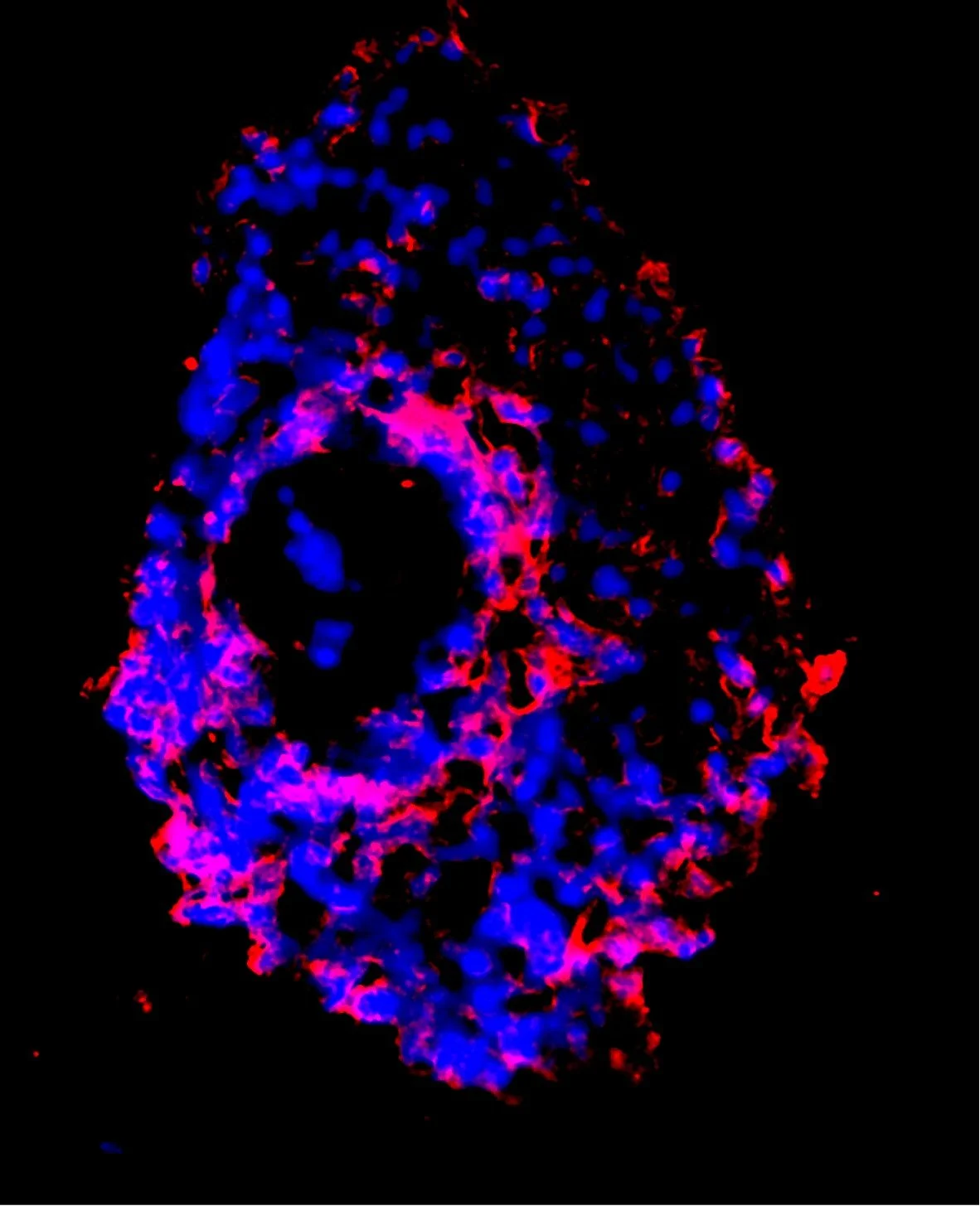
An estimated 5-15% of people have problems with dry eyes, with symptoms including eye redness, stinging, or burning sensation, and eye fatigue. Dry eye disease (DED) occurs when the eyes’ tear glands produce insufficient or poor-quality tears which can be due to allergy or autoimmune disease, hormonal changes, aging, etc. When left untreated, DED can increase the risk of eye infections and abrasion damage to the ocular surface, which may impair vision.

Retinal Organoid Platform Identifies Biomarkers and Affords Genetic Testing for Retinal Disease
Leber Congenital Amaurosis (LCA) is an inherited retinal disease leading to severe vision impairment from early infancy, affecting 2-3 out of every 100,000 newborns. LCA is caused by variants in certain genes from which proteins essential for retinal cell function and survival are made. Mutations in over 20 different genes can cause LCA and in each of those genes, hundreds of different changes, known as genetic variants, can occur. Importantly, while some of these genetic variants are benign and do not compromise function, other variants cause dysfunction or complete loss of function. Further, for some of these variants, which are called variants of uncertain significance (VUS), it is currently not known if they are disease causing or benign.
New Podcast Episode. Building a Better Barrier: Modeling the Human gut Epithelium
The human intestinal epithelial barrier comprises diverse proliferative, secretory and absorptive cell types that facilitate nutrient digestion and absorption and protect against harmful environmental agents. The barrier and its function can vary between individuals due to genetic differences thus impact processes such as digestion, drug metabolism, and drug sensitivity. Our guests today investigated the effect of diverse culture conditions on the cell type composition, gene expression profiles, and maturation status of human pluripotent stem cell-derived intestinal epithelial cells in three different model systems. Their research provides insight into the relevant conditions and systems for modeling specific intestinal functions and highlights the importance of personalized intestinal model systems.
Scientists Use Stem Cells to Move Closer to Large-Scale Manufacturing of Platelets
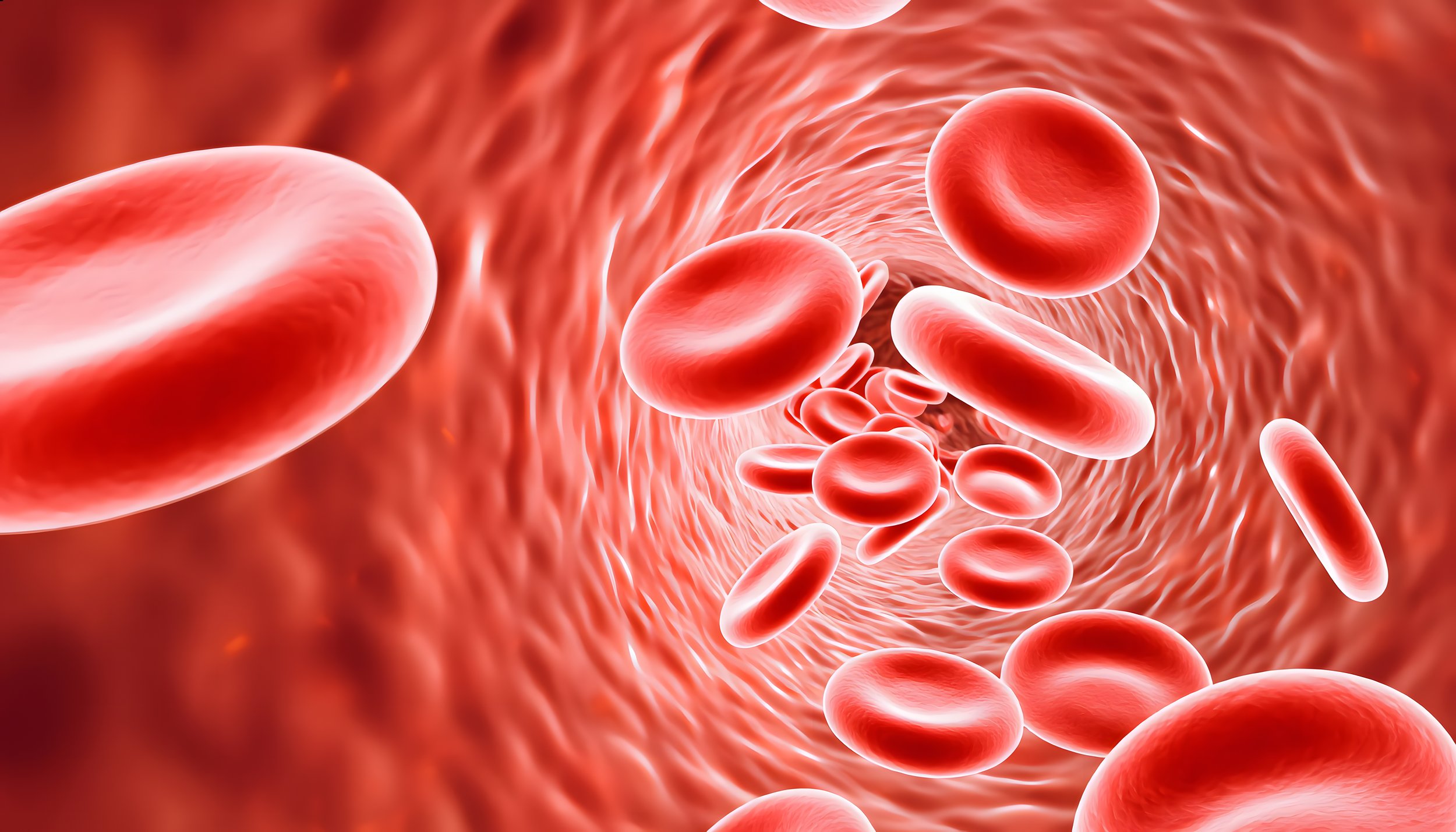
Platelets are small, disc-shaped cell fragments in the blood that are essential to stop bleeding and to initiate blood clotting after injury. Platelet transfusions in patients with severe trauma or medical conditions, including bone marrow disease, leukemia, or sepsis, can be lifesaving. Despite being a standard clinical practice, platelet transfusions face issues related to the availability of blood donations from which platelets are isolated, the relatively short shelf life of purified platelets, and the risk of an immune response in patients receiving platelets from unmatched donors.
Receive ISSCR Press Releases
Sign up be a part of ISSCR’s media list. Media Contact: Kym Kilbourne, Director of Media and Strategic Communications
Subscribe to ISSCR News.
Each month, ISSCR delivers scientific, policy, and community to your inbox .